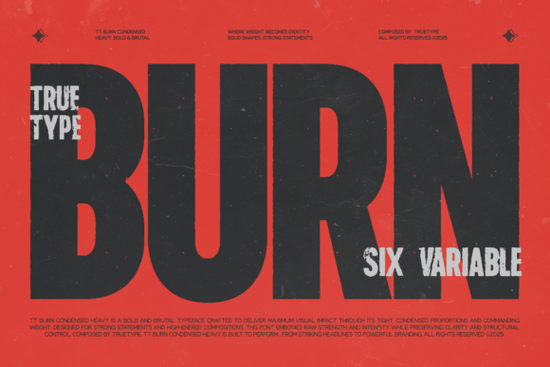
Fitting a long headline into a narrow space is a common frustration for designers and print-on-demand sellers. You want the text to stand out, but standard wide fonts often force you to shrink the size until it becomes unreadable. The TRT Burn Font solves this issue directly. It is a modern condensed sans serif typeface built to deliver strong visual impact while taking up minimal horizontal space. This makes it highly efficient for layouts that demand a strong presence without excess width.
How does a condensed sans serif save space in branding?
When creating logos or packaging, every millimeter counts. Small businesses often have long brand names that look awkward when stretched across a physical label or a digital banner. Because of its compact width and confident vertical proportions, this typeface lets you fit more characters into tight layouts. The balanced stroke contrast ensures that even when the letters are placed close together, the design maintains a clean, professional appearance. If you are building a structured brand system and need more flexibility, you might also find value in exploring the wider sans serif variations available for this typeface. Having multiple weights allows you to create clear visual hierarchies across all your marketing materials.
What projects work best with narrow typography?
Narrow letterforms are highly effective when you need to communicate a lot of information quickly. Think about editorial design, advertising posters, or digital product interfaces where screen real estate is limited. Here are a few practical applications for makers and businesses:
- Apparel and Merchandise: Print-on-demand sellers can use bold, tall lettering on t-shirts and tote bags to create striking streetwear graphics that catch the eye from a distance.
- Product Packaging: Crafters making custom soap labels or candle jars can fit detailed ingredient lists and brand stories without making the text microscopic or cluttering the design.
- Web Interfaces: UI designers can use narrow fonts for navigation menus and call-to-action buttons, leaving more room for product photography and white space.
To add a personal touch to these structured layouts, many creators enjoy pairing condensed styles with more organic scripts. For instance, combining a strict geometric font with a relaxed collection of handwritten fonts creates an engaging contrast. This combination works beautifully for wedding invitations, boutique branding, or personalized greeting cards.
Can you use this typeface for both print and digital screens?
Yes, versatility is a core feature here. The refined geometry of the letterforms performs consistently across different mediums. On a high-resolution monitor, the sharp edges provide a modern, assertive tone for website headers and social media graphics. When printed on physical materials like cardboard, fabric, or textured paper, the thick strokes hold their shape without bleeding. This reliability makes it a practical choice for creative hobbyists who design assets for both online stores and local craft fairs. You can confidently use the same typography for your Etsy shop banner and your physical shipping labels.
What should you check before finalizing your layout?
Choosing the right font is only the first step. To make sure your typography looks professional and serves its intended purpose, you need to test it in its actual environment. A design that looks perfect in your software might behave differently once printed or viewed on a mobile phone.
Practical checklist for setting condensed type
- Check the kerning: Condensed fonts sometimes have tight default spacing. Adjust the gaps between specific letter pairs, like 'A' and 'V', to improve overall legibility.
- Test at multiple sizes: Print a sample at the actual size it will be used. A headline that looks great on a large monitor might be too heavy for a small business card.
- Limit the line length: Even though the font is narrow, reading very long paragraphs in a condensed style can strain the eyes. Use it primarily for headlines, subheads, and short text blocks.
- Mind the contrast: Ensure there is enough color difference between the text and the background, especially when using the font on digital screens or patterned packaging.
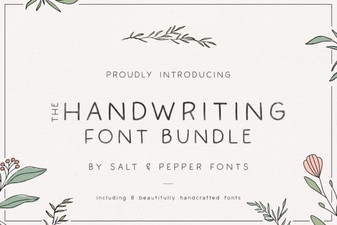 Handwritten Font Bundle for Your Creative Projects
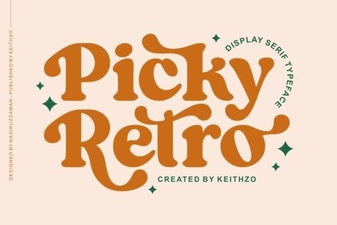 Reviving Nostalgia with Creative Font Pairings
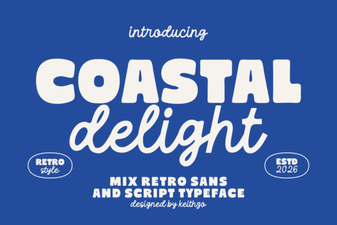 Coastal Delight Font: Perfect for Beachy Designs
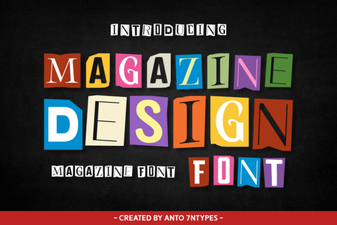 Choosing Fonts for Creative Magazine Layouts
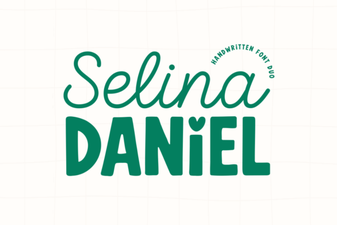 Selina Daniel Font Duo for Creative Projects
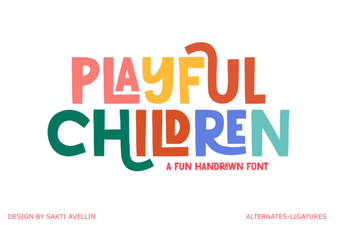 Spark Your Design with Playful Children Fonts