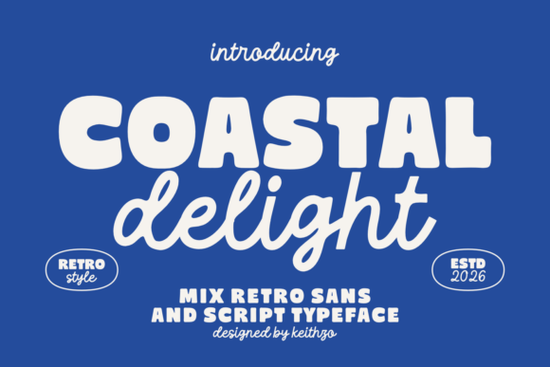
Finding the right typography for a summer-themed brand or a vintage-inspired project can be tricky. You often need a combination that catches the eye but still feels warm and approachable. That is exactly where Coastal Delight comes in. This typeface duo pairs a heavy, chunky sans-serif with a graceful, hand-lettered script. It gives creators a ready-made toolkit for building visual hierarchy, whether you are designing a new logo for a small business or creating apparel for a print-on-demand store.
What kind of projects work best with a retro script and chunky sans-serif pairing?
The nostalgic aesthetic of this duo makes it highly versatile for crafters and hobbyists. If you are working on summer camp merchandise, beach-themed tote bags, or retro diner branding, this style captures that carefree weekend mood perfectly. The bold display letters ground the design, while the flowing script adds a touch of human warmth. Print-on-demand sellers will find that these distinct weights translate beautifully to embroidered hats or vinyl decals. For creators who enjoy exploring different vintage aesthetics, pairing this with something more rugged, like a western-style block typeface, can create an interesting contrast for niche apparel lines. Alternatively, if your brand leans more toward sentimental or memory-keeping projects, mixing in a handwritten journal style can soften the overall look for greeting cards or wedding invitations.
How do you balance bold letterforms with a fluid script in branding?
When working with two distinct styles, the key is establishing a clear visual hierarchy. You want your audience to know exactly what to read first. Use the thick sans-serif for your main headlines, store names, or primary product titles. Reserve the free-spirited script for taglines, dates, or secondary accent words. This approach prevents the design from looking cluttered and ensures your message is clear. For small businesses building a brand identity, this contrast is crucial for logo design. For instance, if you are designing a collegiate-themed clothing line, you might anchor your layout with a classic athletic lettering style and use the script for a smaller, personal touch underneath. Mixing weights is a fundamental design principle that keeps your audience engaged without overwhelming them.
Can this typography style work for both digital and physical merchandise?
Absolutely. The heavy sans-serif ensures readability on screens, making it a solid choice for website headers, YouTube thumbnails, or social media graphics. The script provides that golden-hour, sun-drenched vibe that performs well on lifestyle photography overlays. When moving to physical products like ceramic mugs, die-cut stickers, or cotton t-shirts, both weights hold up well to printing and cutting processes. Crafters using electronic cutting machines will appreciate the clean lines of the sans-serif, while the script offers beautiful swirls for intricate vinyl work. You can download Coastal Delight to test it on your own mockups and craft files. If you are targeting a younger demographic with your merchandise, combining this retro feel with a bubbly, kid-friendly typeface can make your product listings stand out. On the other hand, crafters focusing on scrapbooking or bold poster art might prefer layering it over a heavy layered display font to create deep, multi-colored text effects.
What are some practical ways to style this typeface duo?
To get the most out of this sun-drenched aesthetic, consider how color, spacing, and texture affect the final design.
- Color palettes: Stick to warm, nostalgic tones like mustard yellow, burnt orange, terracotta, and faded teal to enhance the retro soul of the letters.
- Letter spacing: Keep the chunky sans-serif tightly kerned for maximum impact. However, give the script room to breathe so the delicate swashes do not overlap awkwardly or become difficult to read.
- Layering: Place the script slightly overlapping the bold text to create a cohesive, badge-like logo mark. This works exceptionally well for circular badges on tote bags or stickers.
- Textures: Apply a subtle grain or halftone texture over your final export. This simple step emphasizes the vintage, approachable twist and makes digital designs feel more tactile.
What should you check before sending your design to print?
Before finalizing your next design project, run through this quick typography checklist to ensure professional results:
- Verify that the main headline is legible from a distance, especially for physical signage or apparel.
- Check that the script accents do not compete with the primary message.
- Test your color contrast against the background material, keeping in mind how ink behaves on fabric versus paper.
- Ensure the overall mood aligns with your brand's carefree or retro identity.
- Export your files in the correct format, using SVG for cutting machines and high-resolution PNG for print-on-demand platforms.
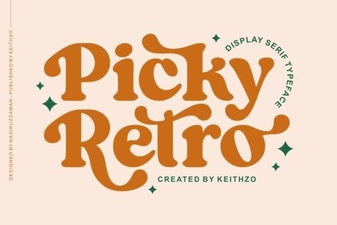 Reviving Nostalgia with Creative Font Pairings
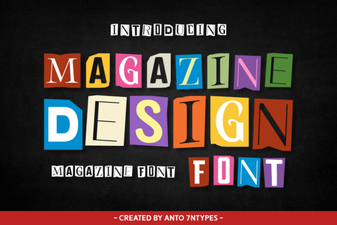 Choosing Fonts for Creative Magazine Layouts
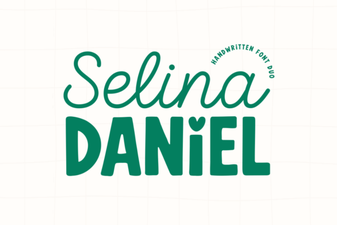 Selina Daniel Font Duo for Creative Projects
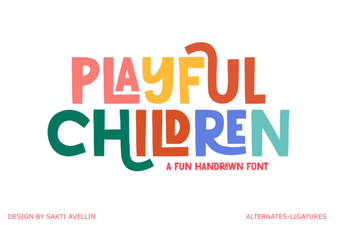 Spark Your Design with Playful Children Fonts
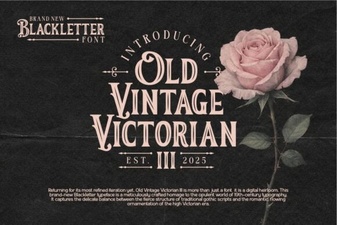 Craft Victorian Elegance with Vintage Fonts
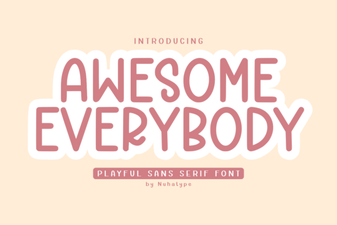 Awesome Everybody Font: Craft Projects & Creative Ideas