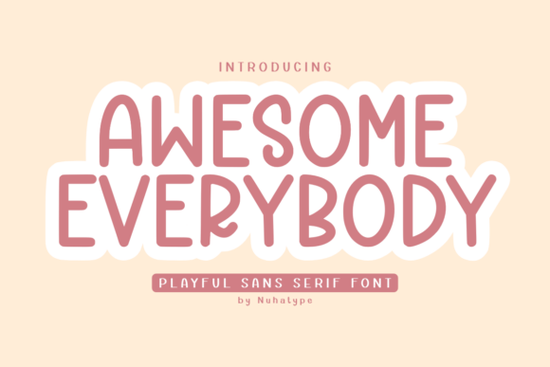
Finding the right typography for family-friendly projects often means balancing readability with a welcoming personality. The Awesome Everybody Font fits this specific need by offering thick, rounded letterforms that feel soft and approachable. Whether you are putting together educational worksheets for a classroom or designing a cheerful social media header, this display typeface provides a solid foundation without looking too rigid. Designers and crafters usually look for this specific style when they need to communicate warmth and accessibility to their audience.
What kinds of design projects benefit from a soft, bold typeface?
When designing for children or community-focused events, legibility is just as important as the overall mood. A rounded display typeface catches the eye without feeling aggressive or overly formal. Crafters and small business owners frequently use this style for daycare logos, birthday party invitations, and educational flashcards. The thick strokes ensure the letters remain clear even when printed at smaller sizes or viewed from a distance on event signage. If you enjoy working with highly stylized, youthful typography, you might also appreciate the bouncy lettering found in this other playful display option for your next classroom poster or kid's apparel line. The approachable nature of these letters helps brands build a friendly connection with parents and teachers.
How do you pair a chunky display font with other typography?
Because the main typeface carries so much visual weight, it usually works best when paired with something much simpler. A clean sans-serif or a neat script helps balance the layout and keeps the focus on your primary message. For instance, you could use the bold letters for a primary heading and then switch to a highly readable font like this structured editorial choice for the body text. Print-on-demand sellers designing t-shirts often mix a heavy display face with a neat, preppy script, similar to the vibe of this trendy lettering style, to create dynamic apparel graphics. Keeping the supporting text simple ensures your message stays easy to read across all formats, from mobile screens to printed flyers.
Can this font be used for physical crafts and merchandise?
Absolutely. The solid, unbroken lines make it an excellent candidate for vinyl cutting machines like Cricut or Silhouette. When you are weeding vinyl for custom decals or wooden signs, fonts with too many thin details can tear easily. A bold, friendly typeface minimizes this frustration. It holds up well on coffee mugs, tote bags, and stickers because the ink or vinyl has plenty of surface area to adhere to. If you are exploring different textures for your merchandise, you might contrast this soft style with a more rugged option like this western-inspired block lettering for a retro-themed product line. Alternatively, for maximum impact on a storefront window, stacking the words using a heavy typeface like this ultra-thick layout font can grab attention quickly from the street.
What software works best for formatting heavy display letters?
You can use standard design programs like Adobe Illustrator, Canva, or Procreate to work with this typeface. However, if you plan to alter the lettering to create a custom logo, vector-based software is usually the best route. Vector graphics allow you to scale the letters up to the size of a billboard without losing any edge quality. For crafters making digital cut files, programs like Silhouette Studio or Cricut Design Space will read the bold lines perfectly. Just remember to convert your text to outlines or paths before sending it to the cutter, which prevents any missing font errors during the production phase.
Quick setup checklist for your next project
- Check your spacing: Bold display typefaces often need slight adjustments to letter spacing, also known as kerning, to look their best in all-caps.
- Test your contrast: Place the text over a solid background color to ensure the soft edges remain crisp and readable, especially on digital screens.
- Verify the license: Confirm whether your current license covers commercial sales if you are making physical items for a small business.
- Prepare for cutting: If using a vinyl cutter, weld any overlapping letters in your design software before sending the file to the machine to avoid internal cut lines.
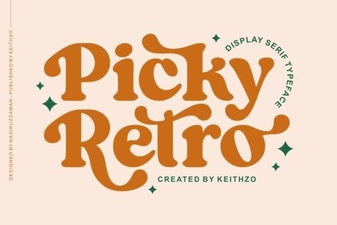 Reviving Nostalgia with Creative Font Pairings
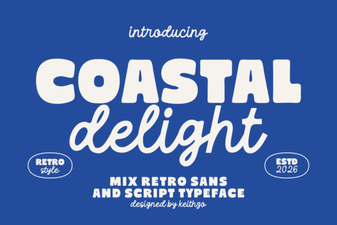 Coastal Delight Font: Perfect for Beachy Designs
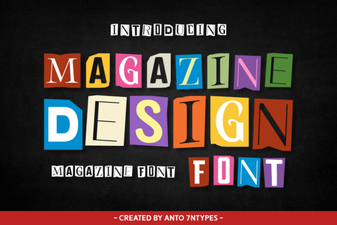 Choosing Fonts for Creative Magazine Layouts
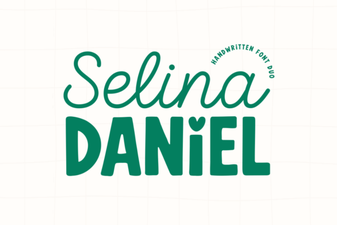 Selina Daniel Font Duo for Creative Projects
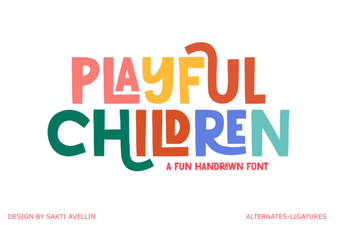 Spark Your Design with Playful Children Fonts
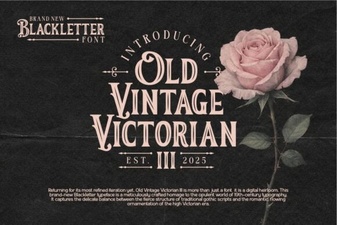 Craft Victorian Elegance with Vintage Fonts