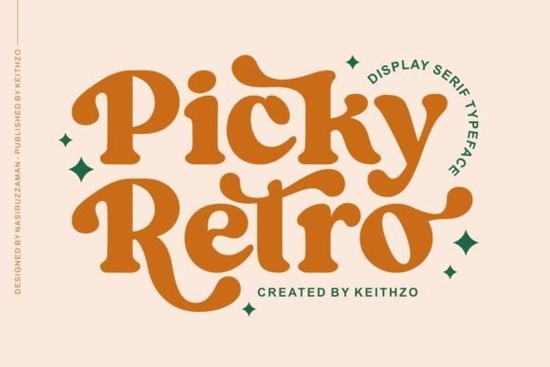
Finding the right typography for a vintage-inspired project can take hours of scrolling through endless libraries. If you need a bold, charismatic display serif that immediately adds a classic touch, the Picky Retro Font is a highly practical choice. Designed with strong letterforms and a hint of playful nostalgia, this typeface works exceptionally well for crafters, small business owners, and print-on-demand sellers who want their text to stand out without looking overly complicated. It brings a timeless charm to everything from handmade greeting cards to storefront signage.
What kind of projects work best with a vintage serif typeface?
When working with a heavy display font, you want to give the letters room to breathe. This specific style excels in short, impactful text blocks. Logos for independent coffee shops, boutique clothing brands, or artisan bakeries benefit greatly from the strong, distinctive shapes. It also performs well on event invitations where you need a clear, readable headline that still feels elegant and traditional.
For crafters using vinyl cutting machines like Cricut or Silhouette, thick serifs are incredibly forgiving. The cutting blades glide smoothly through the bold lines, reducing the risk of torn edges during the weeding process. If you are designing merchandise for a younger audience or a school event, you might want to explore something slightly more playful alongside your vintage choices. For instance, checking out the options available in collegiate styles can give your sports-themed apparel a structured, traditional look. On the other hand, if your project leans more toward children's products, a bouncy alternative like this fun, bubbly typeface might suit your branding better.
How do you pair a bold display font with other typography?
A common mistake in graphic design is using two highly decorative fonts together. Since this retro serif already has a lot of personality, it is best paired with a clean, simple sans-serif or a highly readable script for secondary text.
Small businesses building a brand identity should establish a clear hierarchy. Let your primary font handle the main title or brand name. Then, use a minimalist typeface for the tagline, address, or product description. This contrast ensures your message is easy to read and customers can quickly find your contact information. If you want to create a warm, coastal aesthetic for a summer collection, you could pair your bold serif with a relaxed, beachy script found in this breezy coastal collection. Alternatively, if you are working on a project that requires a loud, energetic feel, browsing through these highly expressive display options can provide great secondary heading choices.
Where can you use this typography for print-on-demand products?
Print-on-demand sellers need files that translate well across different mediums, from cotton t-shirts to ceramic mugs. A bold serif is versatile for physical products because the thick lines remain intact during the printing process. Thin, delicate scripts often break apart on textured fabrics, but strong letterforms hold their shape.
Ceramic mugs and enamel camp cups are also fantastic options. The heavy letterforms wrap nicely around curved surfaces, ensuring the text remains legible from any angle. Whether you are selling at local craft fairs or online marketplaces, consistent use of a distinctive typeface helps buyers remember your brand. You can use this typography for:
- Tote bags: Print a short, catchy quote in a vintage style for a reusable grocery bag.
- Wall art: Create typographic posters featuring classic song lyrics or family names.
- Stickers: Design die-cut decals with single, impactful words for laptop decoration.
- Apparel: Add a nostalgic brand logo to the chest pocket area of a sweatshirt.
When setting up your design files, always convert your text to outlines before sending them to the printer. This prevents any missing font errors. If your print-on-demand store focuses on quirky, home decor items, you might also find inspiration in this uniquely crafted display font to expand your product catalog.
What should you check before finalizing your design?
Before you export your final artwork or send it to production, run through a quick quality check to ensure your typography looks professional.
- Check the kerning: Look closely at the space between specific letter pairs, like "A" and "V", and adjust them manually if they look too far apart.
- Test the contrast: Make sure your text color stands out clearly against the background, especially if you are printing on dark fabrics.
- Limit your font count: Stick to two or three typefaces per project to avoid a cluttered appearance.
- Verify the license: Always double-check the commercial usage terms on your font files before selling printed merchandise.
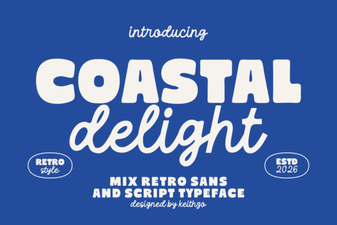 Coastal Delight Font: Perfect for Beachy Designs
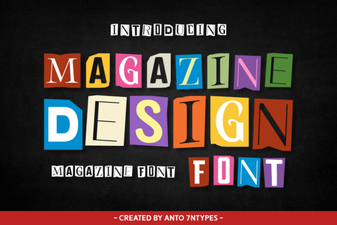 Choosing Fonts for Creative Magazine Layouts
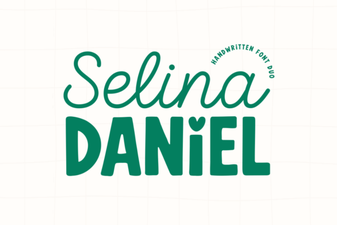 Selina Daniel Font Duo for Creative Projects
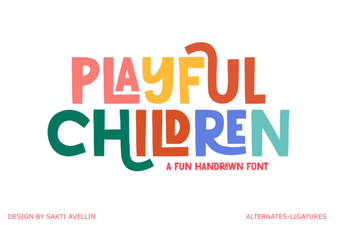 Spark Your Design with Playful Children Fonts
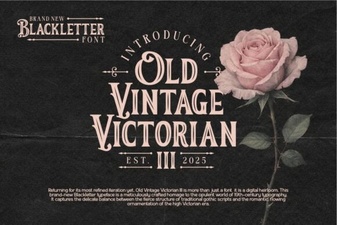 Craft Victorian Elegance with Vintage Fonts
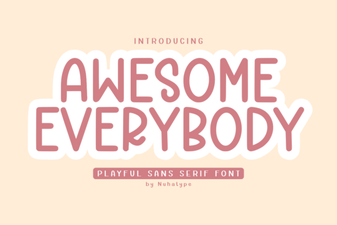 Awesome Everybody Font: Craft Projects & Creative Ideas