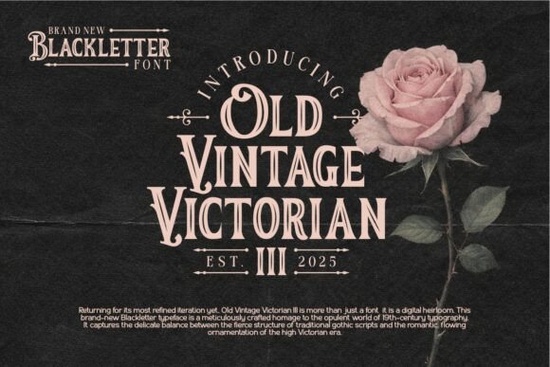
Typography from the 19th century brings a specific level of detail and history to modern projects. If you need that authentic, old-world feel for a project inspired by the Victorian era, the Old Vintage Victorian Iii Font delivers exactly what you need. Created in 2025, this decorative serif typeface mirrors the ornate flourishes and bold serifs found in classic signage. It works exceptionally well for designers, crafters, and small businesses looking to build a brand identity rooted in heritage and sophistication.
How do you apply vintage serif fonts to business branding?
When creating visual identities for classic restaurants, craft distilleries, or heritage apparel lines, the typography must command attention. A highly detailed display typeface provides that established aesthetic immediately. You can use these bold, high-contrast letters on physical labels, storefront windows, and premium packaging. If you are exploring other historical aesthetics, pairing this style with a more recent retro display option can create an interesting timeline effect for a brand story.
The intricate detailing makes it perfect for large settings. Small text might lose the decorative inlines and swashes, so save this typeface for your main headers and logos. When a business wants to convey trust and a long-standing tradition, a heavily stylized serif does the heavy lifting.
What details define 19th-century lettering?
Lettering from the late 1800s is known for its dramatic contrast between thick and thin strokes. This specific design captures that essence by including several distinct features:
- Ornate swashes: Decorative extensions on certain capital letters that frame the text beautifully.
- Decorative inlines: Hollowed or striped sections within the thicker parts of the letters to add depth.
- Bold serifs: Strong, blocky feet on the characters that ground the design and improve readability at large sizes.
These elements evoke the look of classic wood type printing. Crafters making scrapbook titles or small business owners designing artisanal soap wrappers will find these details add a genuine historical feel without needing extra graphic embellishments.
Can I use this typeface for print-on-demand merchandise?
Print-on-demand sellers often look for striking typography to make t-shirts, tote bags, and posters stand out. Because this font is built for impact, it prints beautifully on apparel. A single word or a short phrase set in this typeface creates a strong focal point on a blank canvas.
For the best results, contrast the heavy, ornate letters with something much simpler. You might place a complex vintage header over a clean, minimalist sans-serif body copy. If your project requires a different mood entirely, you could look at a lighthearted option for kids' products or perhaps a relaxed beach-style lettering for summer merchandise. Mixing completely different vibes helps you cater to various niches in your store.
Additionally, if you want to create a badge-style logo for a coffee brand, you can curve this text around a central illustration. For a bolder, more modern streetwear approach, some designers prefer a heavy block lettering style instead. Knowing when to use intricate serifs versus heavy blocks comes down to understanding your target audience.
How do you pair ornate fonts with handwritten styles?
Creating a balanced layout often requires mixing typefaces carefully. The elaborate nature of this 19th-century design means it should usually be the star of the show. Pairing it with a highly decorative script might make the design too cluttered and difficult to read.
Instead, try combining it with a simple, readable handwritten style. A casual script can soften the rigid formality of the vintage serifs. If you need something that feels personal and reminiscent of journaling, adding a subtle handwritten element below the main bold header works perfectly for greeting cards or wedding invitations.
Practical checklist for your next design
Before you finalize your next project, run through this quick checklist to ensure your design looks professional and prints correctly:
- Check the size: Only use this font at large sizes, usually 48pt or larger, so the decorative inlines remain visible when printed on physical products.
- Limit the color palette: Stick to two or three classic colors, like deep burgundy, forest green, or cream, to maintain the historical vibe.
- Mind the spacing: Adjust the kerning manually if the ornate swashes overlap awkwardly with adjacent letters.
- Keep the background simple: Place the text on a solid color or a very subtle paper texture to let the bold serifs stand out without competing for attention.
Start by sketching your layout on paper to see how the heavy letters balance with the rest of your graphics. Once you have a solid plan, move to your design software to bring the heritage look to life.
Learn More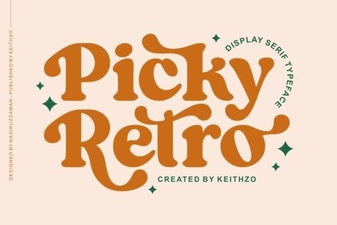 Reviving Nostalgia with Creative Font Pairings
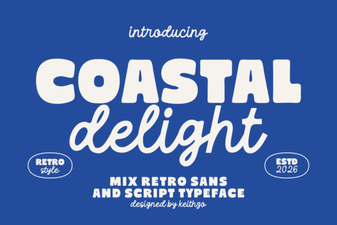 Coastal Delight Font: Perfect for Beachy Designs
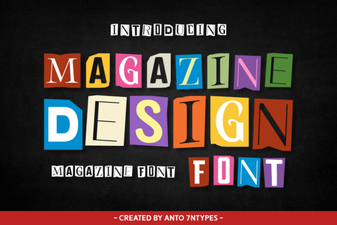 Choosing Fonts for Creative Magazine Layouts
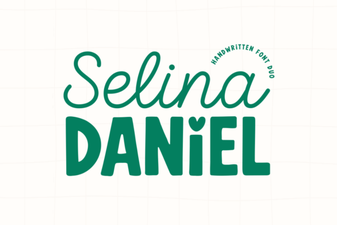 Selina Daniel Font Duo for Creative Projects
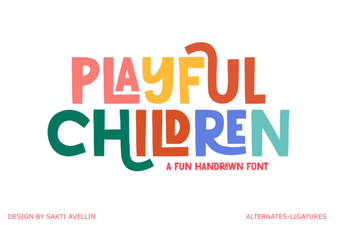 Spark Your Design with Playful Children Fonts
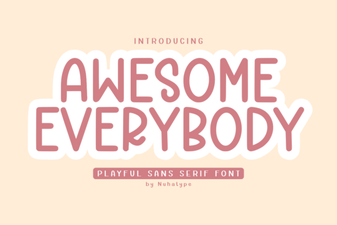 Awesome Everybody Font: Craft Projects & Creative Ideas