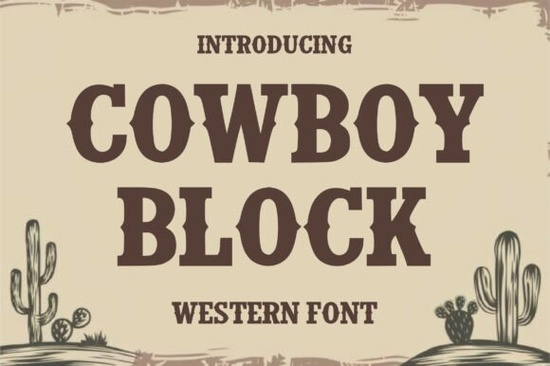
When you need authentic Wild West typography for a branding project, the Cowboy Block Font provides an immediate visual impact. This all-caps display typeface features thick, robust letterforms and distinctive decorative spurs that mimic the classic signage of an old frontier saloon. It is built specifically for designers, crafters, and small businesses looking to capture a genuine vintage western feel without compromising on legibility.
The condensed weight of this typeface ensures your headers stay highly visible, whether printed on a massive wooden barbecue sign or scaled down for a custom apparel label. If you are browsing through various western typography options, you will notice that this particular design strikes a careful balance between heavy masculinity and clean, readable lines. The extended wedges give the letters a rugged, handcrafted look that digital-only typefaces often lack.
What makes this Western display typeface stand out?
The defining characteristic here is the wedge-like extensions on the block serifs. Unlike standard slab serifs, these decorative spurs give the characters a unique historical touch. This makes the typeface highly effective for projects that need a bit of frontier grit, such as old-timey wanted posters, country music album art, or rustic logo design. The strong shapes hold up exceptionally well in both digital formats and physical prints. Crafters can use it for laser-engraved wood signs, while small businesses might apply it to enamel badges or embroidered hats.
How can print-on-demand sellers use this rugged lettering?
Print-on-demand businesses thrive on niche aesthetics, and rustic Americana is a consistently popular category. You can use this heavy lettering to create bold titles for t-shirts, canvas tote bags, and coffee mugs targeting outdoor enthusiasts and country music fans. Because it is an all-caps font, it works best for short, punchy phrases rather than long paragraphs of text.
Here are a few practical ways to apply this style to your merchandise:
- Apparel Branding: Print striking, distressed graphics on denim jackets or vintage-wash tees.
- Event Signage: Design clear, readable banners for local rodeos, country fairs, or outdoor music festivals.
- Packaging Labels: Create authentic-looking tags for artisanal hot sauces, beard oils, or craft beef jerky.
What are the best font pairings for a rustic aesthetic?
Pairing a heavy display font requires careful selection to maintain visual hierarchy. Since the primary typeface is so thick and commanding, you want secondary fonts that provide contrast. For a historical project, you might pair it with an elegant script found in collections of ornate vintage lettering to represent the refined East Coast meeting the rough frontier.
If you are working on a project that requires a different type of heavy impact, you might explore bold stacked lettering styles for secondary headlines. However, if your brand identity shifts away from the Wild West toward a mid-century vibe, looking into classic mid-century typography can offer a nice alternative. On the other hand, if you are designing for a Halloween-themed western event, combining it with something from a spooky novelty typeface collection can create a fun, haunted saloon concept.
How do you prepare files for commercial printing?
When setting your text, pay close attention to kerning. Because the letters feature extending spurs, placing them too close together can cause the decorative wedges to overlap and reduce overall readability. Adding a slight amount of letter spacing will help the individual characters breathe, especially on printed merchandise.
Pro tip: Before sending your designs to a commercial printer or uploading them to a print-on-demand platform, always outline your text. Converting the typography to vector paths ensures that the thick block shapes and delicate spurs remain completely intact, regardless of the software the printer uses. This step is crucial for maintaining the crisp edges of the design on physical products. Choosing the right color palette also matters; deep browns, faded blacks, and muted mustard yellows tend to complement this specific western style perfectly.
Quick checklist for your next project
- Use the typeface primarily for short titles, logos, and headers.
- Avoid using it for body copy or long sentences.
- Increase letter spacing slightly to prevent the decorative spurs from clashing.
- Pair with a clean sans-serif or an elegant script for balanced contrast.
- Always convert your text to outlines before exporting the final print file.
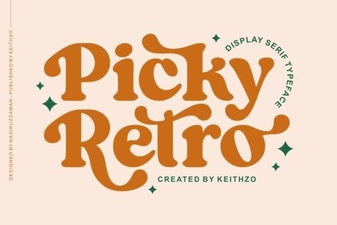 Reviving Nostalgia with Creative Font Pairings
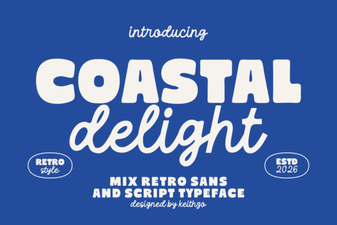 Coastal Delight Font: Perfect for Beachy Designs
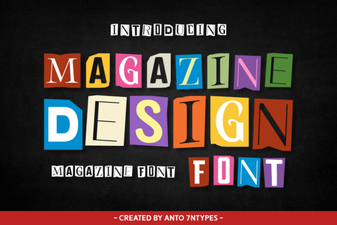 Choosing Fonts for Creative Magazine Layouts
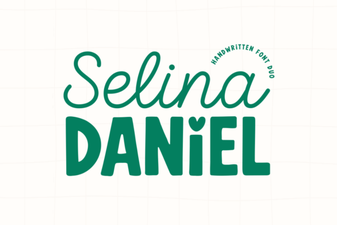 Selina Daniel Font Duo for Creative Projects
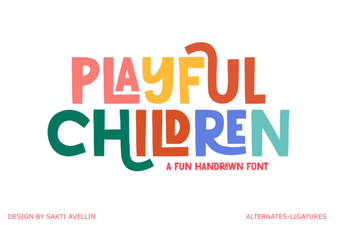 Spark Your Design with Playful Children Fonts
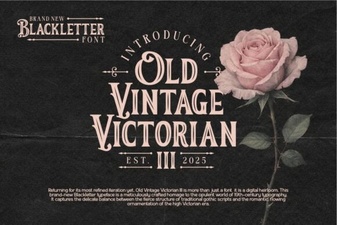 Craft Victorian Elegance with Vintage Fonts