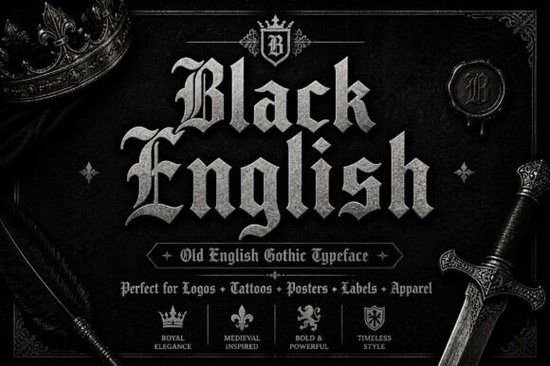
Blackletter typography carries a distinct historical weight that immediately grabs attention and sets a specific mood. If you are designing merchandise, branding a medieval-themed event, or creating tattoo flash sheets, finding the right typeface is crucial to your success. The Black English Font blends the traditional charm of Old English lettering with a sharp-edged Gothic aesthetic. This specific typeface gives crafters, print-on-demand sellers, and small business owners a bold, ornate option for projects that need a strong visual identity. It offers the fluid elegance of classic calligraphy but maintains a solid, structured persona that refuses to be overlooked. By integrating this style into your work, you can easily create an artistic identity engulfed in rich, dark splendor.
What projects work best with Gothic lettering?
Fonts with a heavy historical vibe are not suitable for every single design, but they excel in specific niches. Because of its vintage tone and intricate details, this typeface performs exceptionally well in industries that value edge, tradition, or rebellion.
Print-on-demand sellers often use this style for streetwear brands. A bold, ornate wordmark on a black hoodie or an oversized graphic tee creates an instant focal point that buyers love. Similarly, craft breweries frequently rely on this aesthetic for packaging and labels to communicate a rich, artisanal brewing history to their customers.
When building a cohesive brand identity that relies on dark, historical aesthetics, exploring other blackletter typefaces helps you find the exact mood your client needs. However, this particular design stands out for its unique mix of calligraphic flow and sharp, aggressive angles.
Here are a few specific ways you can apply this typography to your creative work:
- Album covers: Perfect for heavy metal, hip-hop, or dark synthwave artists looking for striking headline titles that stand out on streaming platforms.
- Tattoo graphics: Ideal for traditional or neo-traditional flash sheets that require authentic, sharp lettering.
- Event posters: Great for promoting Renaissance fairs, medieval banquets, or underground gothic club nights.
- Apparel design: Works beautifully as the central graphic on t-shirts, tote bags, enamel pins, and embroidered patches.
How do you pair a highly ornate font with other text?
One of the most common mistakes designers make with Old English fonts is using them for long paragraphs of body copy. Because the strokes are thick, highly decorative, and closely spaced, reading extended text becomes difficult and frustrating for the viewer.
To keep your designs readable and professional, reserve this font strictly for logos, short quotes, or main titles. When you need to add supporting information, like a tagline, a website address, or a list of ingredients on a craft beer label, switch to a clean, simple sans-serif typeface. Pairing it with a minimalist geometric sans-serif, like Montserrat or Helvetica, provides a quiet background that allows the dramatic blackletter strokes to remain the star of the composition. Using plenty of negative space around your main title also prevents the ornate details from looking cluttered or overwhelming.
Where can you download this font for commercial projects?
Finding reliable typography with a proper commercial license is a major concern for small businesses and crafters selling physical goods. You want to ensure your hard work is protected. You can add the Black English Font to your design arsenal through Creative Fabrica. This platform provides clear licensing terms, ensuring you can use the files for your print-on-demand merchandise, client logos, and digital art without worrying about copyright issues down the road.
Checklist for printing blackletter designs
Before you send your gothic typography to a professional printer or upload it to a merchandise platform, run through this quick checklist to ensure the best possible results:
- Outline your text: Always convert your fonts to vector outlines in Illustrator or your preferred design software before sending the file to a print shop to avoid missing font errors.
- Check the contrast: Ensure the intricate details of the lettering stand out clearly against the background color. High contrast, like crisp white text on a black shirt, usually works best.
- Simplify the layout: Remove unnecessary background graphics or textures that might compete with the complex strokes of the typography.
- Test the size: Print a small physical sample. If the sharp edges bleed together at a small scale, increase the font size or adjust the letter spacing slightly.
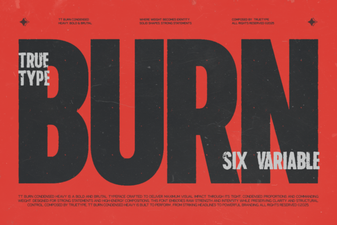 Trt Burn Font: Modern Design and Creative Applications
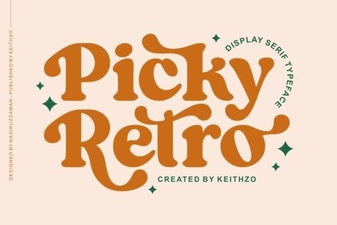 Reviving Nostalgia with Creative Font Pairings
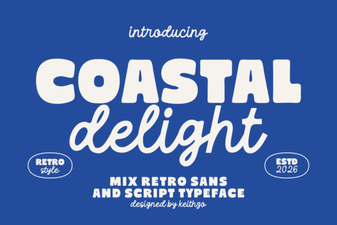 Coastal Delight Font: Perfect for Beachy Designs
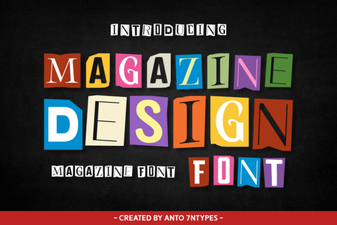 Choosing Fonts for Creative Magazine Layouts
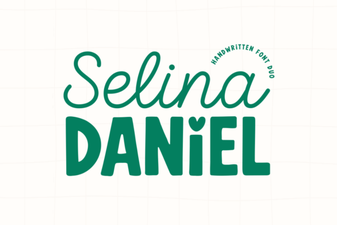 Selina Daniel Font Duo for Creative Projects
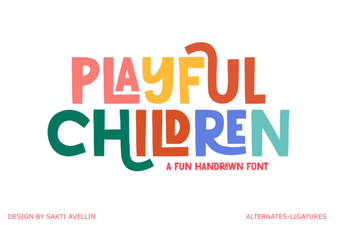 Spark Your Design with Playful Children Fonts