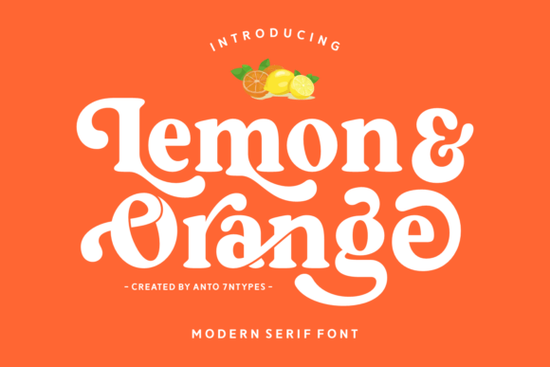
Finding the right typography for summer-themed projects or romantic branding can be challenging, but the Lemon and Orange Font offers a versatile solution. This vibrant typeface blends the elegance of traditional display lettering with a playful, whimsical touch. Crafters and print-on-demand sellers often use it to bring a fresh, citrus-inspired energy to their designs. Whether you are working on a cheerful birthday invitation or an elegant wedding suite, this typeface provides the flexibility needed to adapt to different aesthetics.
What projects work best with this typeface?
Because of its mix of dramatic bold lines and delicate romance-inspired swashes, this design fits a wide range of creative applications. Small businesses and hobbyists frequently apply it to various commercial and personal goods. For print-on-demand sellers, utilizing a versatile typeface reduces the time spent searching for the right aesthetic across different product lines. The lively appeal makes it a strong choice for printing quotes on T-shirts or creating tags for a boutique clothing line. With its heart swashes and rose-inspired details, it serves beautifully for wedding stationery and birthday party invitations.
Beyond event paper goods, the classic yet modern feel works well for cosmetic labels, perfume packaging, or as a distinct logo font for a new brand. It holds its own as a headline font on magazine covers or book covers, drawing the reader's eye immediately. For personal crafting, the delicate lines are an exquisite option for handmade greeting card fonts, adding a layer of sophistication to everyday paper crafts.
How can you customize the lettering?
Standard text often looks too rigid for creative projects. The Lemon and Orange Font includes built-in ligatures and alternate forms to give your text a custom, hand-lettered appearance. By enabling stylistic alternates in design software like Adobe Illustrator, Affinity Designer, or even Canva, you can swap out standard characters for more ornate versions. This prevents repetitive letter shapes and allows you to tailor the typography to your specific vision. Furthermore, multilingual support means you can type out phrases in various languages without losing the stylistic formatting. This is especially useful for crafters selling to international markets or creating bilingual event invitations.
What should you pair it with for balanced layouts?
When working with highly decorative lettering, contrast is key. Pairing a whimsical script with a clean, readable typeface ensures your main message stays legible. If you are building a brand identity or a complex greeting card layout, you might want to use a simpler style for the body text. For instance, combining this design with structured alternatives found in the serif typography collections creates a sophisticated visual hierarchy. A heavy bold font might clash with the delicate romance of the swashes, so choosing a neutral partner is highly recommended. The ornate display font handles the headlines, while the understated secondary font delivers the necessary details without competing for attention.
How do you access the extra swashes and ligatures?
To get the most out of the decorative elements, you need to use software that supports OpenType features. Not all basic text editors will show the alternate characters automatically.
- Download and install the OTF or TTF files directly to your operating system.
- Open your preferred design program and type out your initial phrase using the regular or italic style.
- Access the glyphs panel, character map, or text properties menu to view all available alternate letters and heart swashes.
- Select the specific characters you want to swap to build a unique, flowing composition.
Using these extra glyphs prevents your text from looking like a standard typed document, adding a bespoke quality that clients appreciate.
Practical Checklist for Your Next Design
Before finalizing your artwork, run through this quick checklist to ensure your typography is effective:
- Check legibility: Ensure the swashes do not overlap in a way that makes the words difficult to read from a distance.
- Test color contrast: Citrus-inspired designs look great in bright yellows and oranges, but make sure the text stands out clearly against your background color.
- Balance the layout: Always use a simple secondary font for supporting text like dates, times, and addresses on invitations.
- Review the kerning: Manually adjust the space between specific letters if the alternate ligatures create awkward gaps in your word spacing.
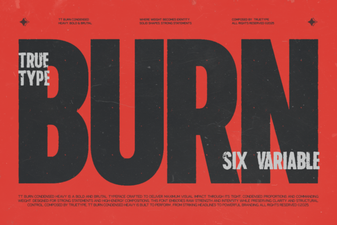 Trt Burn Font: Modern Design and Creative Applications
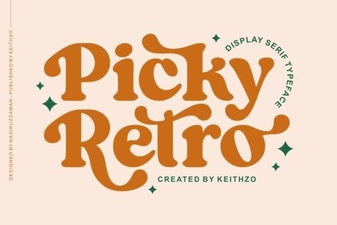 Reviving Nostalgia with Creative Font Pairings
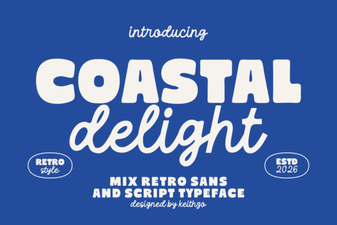 Coastal Delight Font: Perfect for Beachy Designs
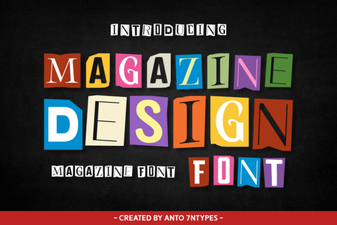 Choosing Fonts for Creative Magazine Layouts
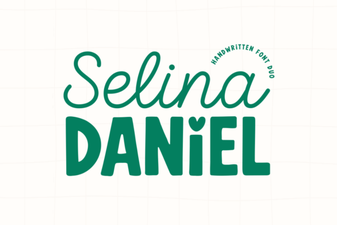 Selina Daniel Font Duo for Creative Projects
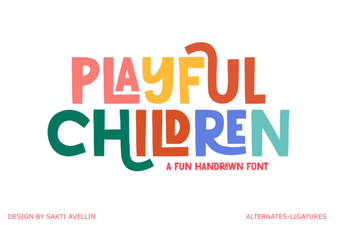 Spark Your Design with Playful Children Fonts